

Trump Dodges Approval Ratings on Campaign Trail
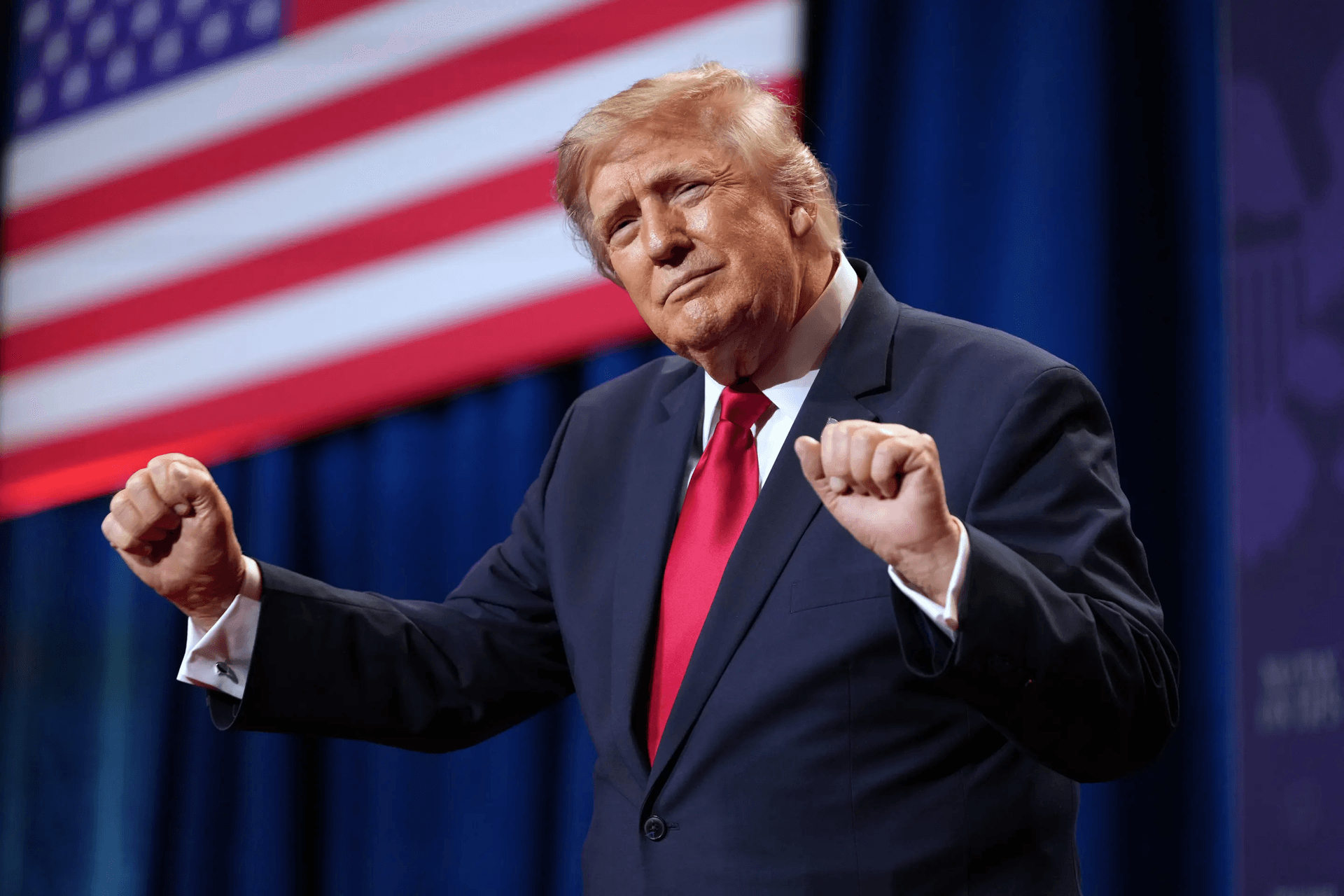
In the final crunch before the midterm elections, the president continues to canvass majority-Republican states with his pitch to keep his party in congressional power. At each stop, he’s lambasted poor polling as fake. While polls have historically undercounted conservative voters, the preponderance of polls show Democrats likely to win majorities in both the House and the Senate. It remains to be seen whether one of the elements sinking Republican campaigns is the president’s own disapproval ratings.
According to the RCP Average, Trump is nearly 22 points underwater with most Americans. More than 60% of Americans disapprove of his handling of the presidency, lower than at any point in the Biden administration and Trump’s own first term.
One tracker from Civiqs shows Trump deeply unpopular in every major battleground state for the midterm elections, 39 states overall. The survey collected nearly 140,000 responses from registered voters between January 2025 and October 2026. He is most popular in Arkansas, West Virginia, Idaho, and Oklahoma. But even in these states, his margins are in the single digits, down significantly from Inauguration Day. Montanans are evenly divided, the survey found. On Thursday, Trump returned to South Carolina to stump for Sen. Darline Graham Nordone, sister of the late Sen. Lindsey Graham. Trump is 11 points underwater in South Carolina, according to the Civiqs survey.
The ratings are admittedly low for Trump but are not the floor for a president. Former President Harry Truman hit 22% approval in 1952. By the end of his term later that year, his approval was at 32% positive and 68% negative. President Richard Nixon left office with a 66% disapproval rating.
But Trump is hard to categorize, historically. He is only the second president to serve for two nonconsecutive terms. Furthermore, this midterms year has historical firsts. Trump launched a mid-cycle redistricting battle across the country when he insisted that states like Texas draw out Democratic strongholds. That set off retaliatory redistricting in blue states. Overall, nearly one-third of congressional districts changed in some way this year. The result has been a Republican advantage in 15 districts, but only around five look safe for the GOP.
Secondly, Trump himself has admitted that he made the field harder when he decided to launch strikes on Iran’s nuclear capabilities. While the ongoing conflict has not been legally classified a war, voters have continued to express frustration at high gas prices and inflation. The Strait of Hormuz has still not fully reopened, which has put a strain on oil deliveries worldwide. The current national average for a gallon of unleaded is still $4.23.
Trump’s message is one of optimism, though. In Texas this week, he hosted a rally in front of an oil tanker with purportedly the first oil shipment to the United States from Venezuela. After the federal government seized Venezuelan dictator Nicolás Maduro and his wife in January, Trump announced the U.S. government would own a major stake in Venezuela’s oil operation. With an additional flow, he’s hopeful gas prices will fall.
Negotiations with Iran appear to be at a standstill, but Trump has only promised a ceasefire until after the midterm elections. Several U.S. officials told The Associated Press that Middle East and regional allies have been told to prepare for renewed military action as soon as November. Trump, meanwhile, promises that the “excursion” will be over soon, and gas prices will come tumbling down.
State of Union
.