

Trump Approval Falls to Term Low as Iran War Drags On
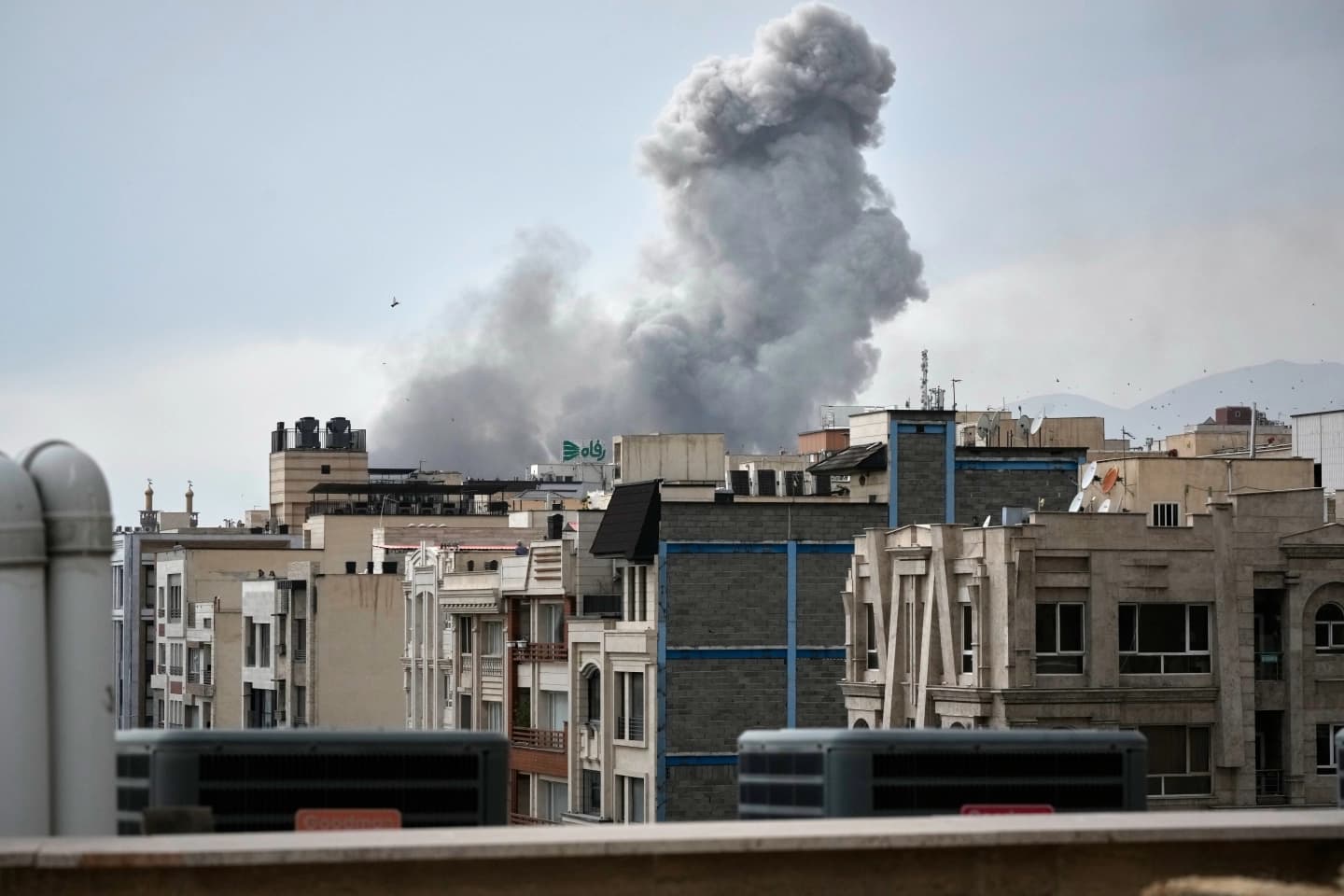
As the war with Iran moves past its opening phase, public support is beginning to erode. Polling shows declining approval for both Trump and the military action, with voters less concerned with the war’s objectives and more on how quickly it can end.
The latest RCP Average shows Trump at his lowest approval since the start of his second term, at -14.4 net approval, with 41.6% approving and 56% disapproving. Military action against Iran is also seeing steadily declining approval, now at -8.3, down from -3.7 a week into the conflict.
The vast majority of Americans say their top priority is ending the conflict as soon as possible, not the administration’s stated objectives of crippling Iran’s nuclear program or destroying its missile and naval capabilities, according to a March 17-20 CBS poll. Ninety-two percent said ending the conflict quickly is a priority for the United States, while 73% said “permanently stopping Iran’s nuclear programs,” and 68% said stopping Iran from threatening other countries.
If Trump is able to end the war in the next few days or weeks, his approval could recover. The CBS poll found that if the conflict lasted days or weeks, 75% would approve of the military action, far higher than the 40% who currently approve. However, if it lasts months, only 42% would approve, and just 12% if it lasts years.
The first hint at an end to the conflict came on Monday, when Trump wrote on Truth Social that “THE UNITED STATES OF AMERICA, AND THE COUNTRY OF IRAN, HAVE HAD, OVER THE LAST TWO DAYS, VERY GOOD AND PRODUCTIVE CONVERSATIONS REGARDING A COMPLETE AND TOTAL RESOLUTION OF OUR HOSTILITIES.” Even after this post, betting markets were skeptical the war would end before March, giving it only an 18% chance. Most expect it to end by April, with 51% predicting that outcome, and markets still assign a 23% chance of conflict events beyond Dec. 31.
These alleged talks were initiated after Trump threatened Saturday to “obliterate” Iran’s power plants if the Strait of Hormuz was not reopened within 48 hours. On Sunday, Iranian Parliament Speaker Mohammad-Bagher Ghalibaf wrote on X that if the U.S. or Israel targeted the country’s power plants, Iran would consider energy and oil infrastructure in the Middle East legitimate targets, which would likely push up oil prices.
Despite Trump saying that talks had begun, Ghalibaf said Monday on X that there had been no negotiations with the U.S., claiming Trump’s statements were “fake news” intended to manipulate financial and oil markets and “escape the quagmire in which the U.S. and Israel are trapped.” Trump did not specify who participated in the talks, saying only they involved “a top person.” An Israeli official told Axios that Steve Witkoff and Jared Kushner had been in contact with Ghalibaf, though another said direct negotiations had not yet occurred.
These conflicting reports suggest the conflict is unlikely to end within the week, and gas prices could continue to rise. Ninety percent of respondents said gas prices will be higher in the short term due to the conflict, and 58% said they expect higher prices in the long term, according to the CBS poll. Rising gas prices would likely contribute to higher inflation and weigh on Trump’s approval if the conflict persists.
State of Union
.