

The Cost of Care Could Decide 2026 Midterms
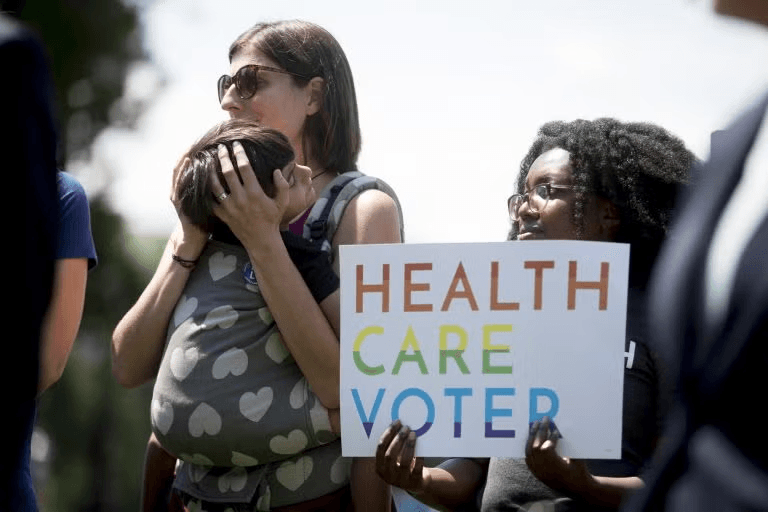
Approaching the 2026 midterm election, the Axios/Ipsos American Health Index reveals bipartisan majority support for prescription drug manufacturers reducing costs by selling medications directly to patients.
While opinions differ along party lines, a majority of Democrats, Republicans, and independents say they would be more likely to vote for a candidate that supports prescription drug discount platforms. The most notable of these platforms are TrumpRx, GoodRx, and WellRx, with 54% of Americans overall – Republicans (65%), Democrats (56%), and independents (52%) – stating they would support a candidate who would endorse these platforms.
Despite bipartisan support of reducing medication costs, abortion medication access, the Affordable Care Act, and vaccinations remain contested topics among health care policies. A majority of Americans (54%) support the U.S. Supreme Court’s decision to continue allowing access to the abortion pill mifepristone through mail and telehealth. Nonetheless, this reveals significant partisan divisions: 72% of Democrats and 60% of independents are likely to support it, compared to only 32% of Republicans.
Furthermore, a relative minority of Americans (38%) state they would be less inclined to support a candidate who opposes mail or telehealth access to abortion pills, a majority of whom are Democrats (61%) and independents (43%). However, a plurality of Republicans (43%) claim they would be more likely to support the given candidate.
Despite being skeptical of the government’s role in public health, a majority of Americans agree on strengthening government health programs or agencies. A third of citizens (33%) believe that the government makes the health or well-being of citizens a priority. Regardless of partisanship, a strong majority of Americans believe that the Trump administration should maintain or strengthen health-related programs, the most prominent being food safety inspections (92% say maintain or strengthen), the Veterans Health Administration (91%), Medicare (89%), Medicaid (82%), CDC (83%), and the Affordable Care Act (73%).
As health care prices continue to increase, nearly half of Americans (45%) state they would vote for a candidate who endorses health insurance policy subsidies available through the ACA. A majority of those are Democrats (71%) and independents (49%), with only a minority of Republicans (26%) in support. And a strong majority of Democrats (92%), compared to 57% of Republicans, believe that the federal government should allocate more of its tax dollars toward decreasing health costs.
Obesity remains near the top of the chart for public health concerns in the U.S. A growing percentage of Americans say they know someone using weight loss medication, yet interest in GLP-1s remains relatively low. Of respondents who said they are not using weight loss drugs, 43% expressed a preference for managing weight through proper diet and exercise.
As the federal government’s role in public health policy remains divided, a plurality of Americans (44%) believe that health policies should primarily focus on healthy foods, lifestyle, and disease prevention. By contrast, 32% believe that health care policies should primarily focus on developing medications and treatments for disease.
From June 2025 to March 2026, public trust in federal childhood vaccine recommendations dropped 11 points (71% to 60%). Public trust has dropped most significantly among Democrats (81% to 66%), with noticeable declines among Republicans (69% to 63%), and independents (65% to 58%).
Candidates’ stances on health care policies and prescription medication costs might prove to be a decisive factor in the 2026 midterm election.
State of Union
.