

Looking Ahead: Who's Favored for 2028?
Within days, major figures in both parties could begin announcing presidential bids, seeking to clear the field or establish an early lead in the primary. The latest polling shows a handful of candidates with clear advantages in favorability, though those leads aren’t carrying over to how voters are ranking candidates in the primaries.
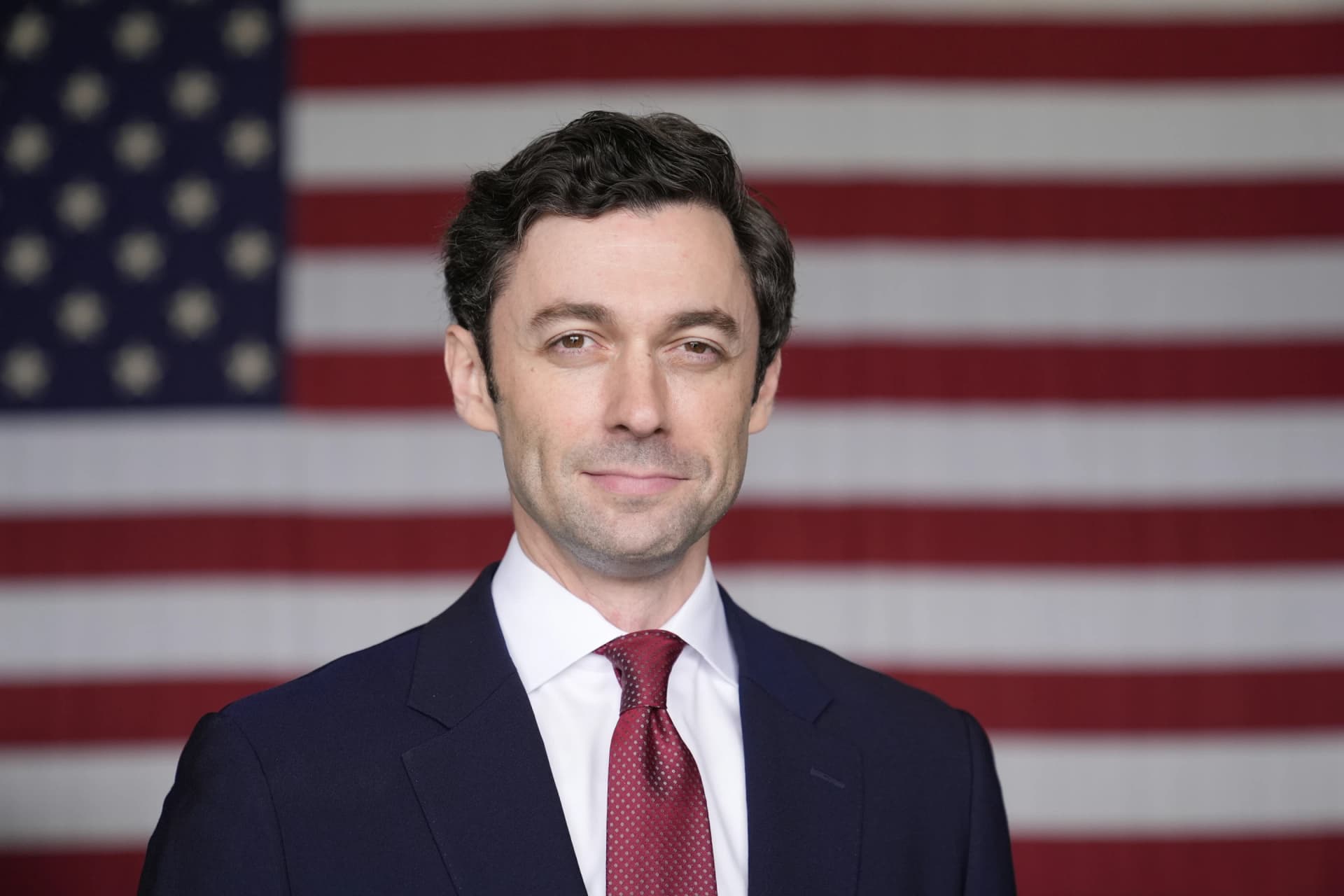
The latest poll to measure these numbers is an Economist/YouGov survey taken Nov. 9-11, after the midterm elections. The best-liked candidate among all respondents and independents alike was Georgia Sen. Jon Ossoff, who had a net favorability rating of +11 overall and +4 among independents. Net favorability compares the share of respondents with a very or somewhat favorable opinion of a candidate to the share with a somewhat or very unfavorable one. No other candidate in the poll had a positive net favorability rating among independents.
In terms of the raw share of respondents who viewed a candidate favorably, former Vice President Kamala Harris topped the list at 41%, followed by Rep. Alexandria Ocasio-Cortez, D-N.Y., at 36%, Vice President JD Vance at 35%, and Secretary of State Marco Rubio at 34%. None of these candidates had a positive net favorability rating, however, either overall or among independents. Ocasio-Cortez fared best at 0 overall, followed by Rubio at -6, Harris at -9, and Vance at -17.
The only other candidates with positive overall net favorability ratings were Pennsylvania Gov. Josh Shapiro at +3 and former Transportation Secretary Pete Buttigieg at +1.
The poll’s question about the 2028 primary didn’t line up with the favorability results, however. Harris led the Democratic field with 20%, followed by Ossoff at 15%, California Gov. Gavin Newsom at 13%, Ocasio-Cortez at 12% and Buttigieg at 10%. Newsom placed third despite being tied with Harris for the lowest net favorability rating among Democrats, at -9.
On the Republican side, Vance continues to lead the field with 40%, though Rubio doesn’t trail far behind at 33%. Florida Gov. Ron DeSantis was the only other candidate with a significant share, at 14%.
Despite leading in primary polling, Harris trails significantly in betting markets, where she is tied for fourth at 5% with Buttigieg and Shapiro. She sits behind Ossoff, who leads at 26%, as well as Ocasio-Cortez at 15% and Newsom at 10%. For Republicans, Vance continues to lead betting markets at 37%, followed by Rubio at 17%, DeSantis at 14% and conservative commentator Tucker Carlson at 5%. Former Presidential Personnel Office Director John McEntee, Texas Sen. Ted Cruz and Kentucky Rep. Thomas Massie are each at 3%.
The primary field is far from settled based on these numbers, however. Combined, the top seven candidates in betting markets have only a 70% chance of winning the Democratic nomination and an 82% chance of winning the Republican nomination. That means betting markets see a 30% chance that a Democrat not currently under serious consideration enters the race and wins the nomination, and an 18% chance that the same happens on the Republican side.
With this slate of candidates, Democrats are significantly favored to win the 2028 presidential race. Betting markets currently give Democrats a 67% chance of winning, an advantage that has grown over the course of the year. On Jan. 1, 2026, betting markets put their chances at just 53%, but their edge has widened following the onset of the Iran war and the Democratic tsunami in the midterms.
State of Union
.