

Initially Opposed, U.S. Action Gained Support After Maduro Capture
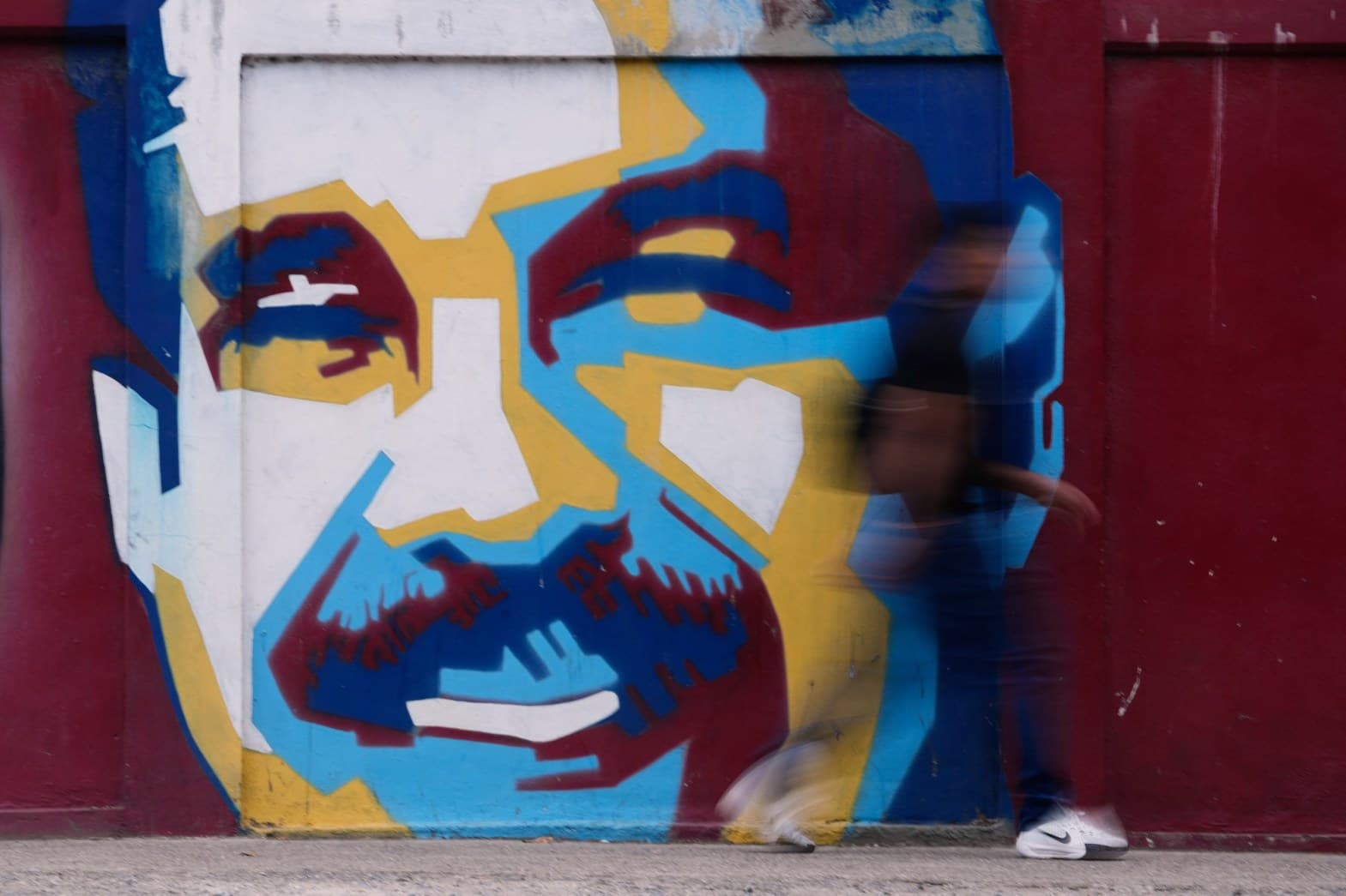
Before the U.S. operation to capture Nicolas Maduro in Caracas, Venezuela, on the morning of Jan. 3, Americans broadly agreed that while Maduro was a bad leader and should not be in charge of running Venezuela, the U.S. should not use its military resources to overthrow him. However, following the mission's success, approval of the move has increased significantly.
In a poll conducted by The Economist/YouGov from December 20-22, before the extraction, only 22% of Americans supported the United States using military force to overthrow Maduro, while 52% opposed it. Even among Republicans, only 44% approved of the action. On the question of using military force to invade Venezuela, only 19% supported the idea. Even sanctioning Venezuelan oil tankers received limited support, with only 35% in favor and 40% opposed.
However, approval increased in surveys taken after the operation. The Washington Post conducted a poll via text from January 3-4, which found that 40% approved of the United States using military force to capture Maduro, while 42% disapproved. An even larger share, 50%, said that the United States should put Maduro on trial for drug trafficking.
Americans also believed that Trump should have obtained congressional approval for the move. According to the poll, 63% said that capturing Maduro should have required congressional authorization, while 37% said the way Trump handled it was appropriate. The administration justified the move by arguing that it was not a declaration of war on Venezuela, but rather a law enforcement action based on U.S. criminal charges related to drug trafficking and narco-terrorism.
Polls also found that Americans do not want the United States to remain closely involved in Venezuela’s future. Only 24% supported the United States assuming control of Venezuela and installing a new government, whereas 45% opposed this. When asked who should decide Venezuela’s future leadership, 94% said the Venezuelan people, while just 6% said the United States.
Prior to Maduro’s capture, the use of military force against suspected drug traffickers in Latin America was popular. A Ronald Reagan Institute poll from late October found that 62% approved of such actions, while 36% disapproved. Other policies that recentered the U.S. military closer to home, including the use of active-duty troops and the National Guard to support border security, also received broad support.
The operation aligns with Trump’s expanded invocation of the Monroe Doctrine, first articulated by President James Monroe in his Seventh Annual Message to Congress, when he declared, “The American continents, by the free and independent condition which they have assumed and maintain, are henceforth not to be considered as subjects for future colonization by any European powers.” Trump has reframed that principle in more direct terms, branding his approach the “Donroe Doctrine” and summarizing it succinctly: “American dominance in the Western Hemisphere will never be questioned again.”
That shift toward prioritizing the Western Hemisphere also received public backing in the Reagan Institute poll: 49% approved of refocusing military resources away from Europe, the Middle East, and Africa toward North and South America, while 40% disapproved.
State of Union
.