

2026 Senate Tossups, Ranked From Most to Least Close
Less than a month before Election Day, the battle for the Senate runs through nine tossup races in the RealClearPolitics Senate Map. Democrats lead in most of them, but the margins are thin enough that control of the chamber is far from settled. Here’s how the tossup states rank, from closest to least close, based on polling, betting markets, and recent election history.
Coin flips
The closest races at this point are Iowa and Maine. In Iowa, Democratic state Rep. Josh Turek leads Republican Rep. Ashley Hinson by just 1 point in the RealClearPolitics Polling Average. Of the 10 polls in the average, four have Hinson ahead, five have Turek ahead and one has them tied. Even though Trump won the state by 13.2 points in 2024, a national environment that has shifted 11-12 points toward Democrats since then puts states like Iowa in play. Polymarket’s betting markets give Hinson a 55% chance of winning, only slightly better than a coin flip.
Similarly, in Maine, Democrat Troy Jackson leads incumbent Sen. Susan Collins by just 0.7 points in the RCP Average and is favored in Polymarket's betting odds with a 58% chance to win. Kamala Harris won the state by 6.9 points in 2024, and 2026 is shaping up to be an even better year for Democrats, but Collins still has a real chance of winning, having outperformed the polls anywhere from 9.6 to 15.6 points in 2020, depending on the survey.
Narrow favorites
Democratic Senate candidates are now slight favorites in Texas and Ohio, two states Trump carried comfortably in 2024. Kansas, another Trump state, still leans Republican, but the seat is far from safe.
The Democratic lead makes the most sense in Ohio, where Democrat Sherrod Brown held one of the state’s Senate seats from 2007 until January 2025. He currently leads Republican Sen. Jon Husted, who was appointed in 2025 to replace JD Vance, by 3.2 points in the RCP Average, with no polls in the average showing Husted ahead or tied. Brown also leads in betting markets, with a 63% chance to win.
Texas also had a very close Senate contest a few years ago. In 2018, Republican Ted Cruz beat Beto O’Rourke by just 2.6 points in an election that favored Democrats nationwide.
Now, Republican Attorney General Ken Paxton trails Democrat James Talarico by 3.1 points in the RCP Average. Polymarket gives Talarico a 68% chance to win, a lead he gained only recently; Paxton had a 57% chance to win on Sept. 9.
Kansas is also extremely close in polling, yet betting markets still favor Republicans. Incumbent Republican Sen. Roger Marshall leads Methodist pastor Adam Hamilton by just 0.2 points in the RCP Average. In betting markets, however, Marshall has a 66% chance of winning, a larger edge than his polling would suggest.
Clear favorites, but not guaranteed wins
The remaining four tossups, Michigan, Alaska, Minnesota, and Nebraska, each have a clear favorite for now, but none is safe.
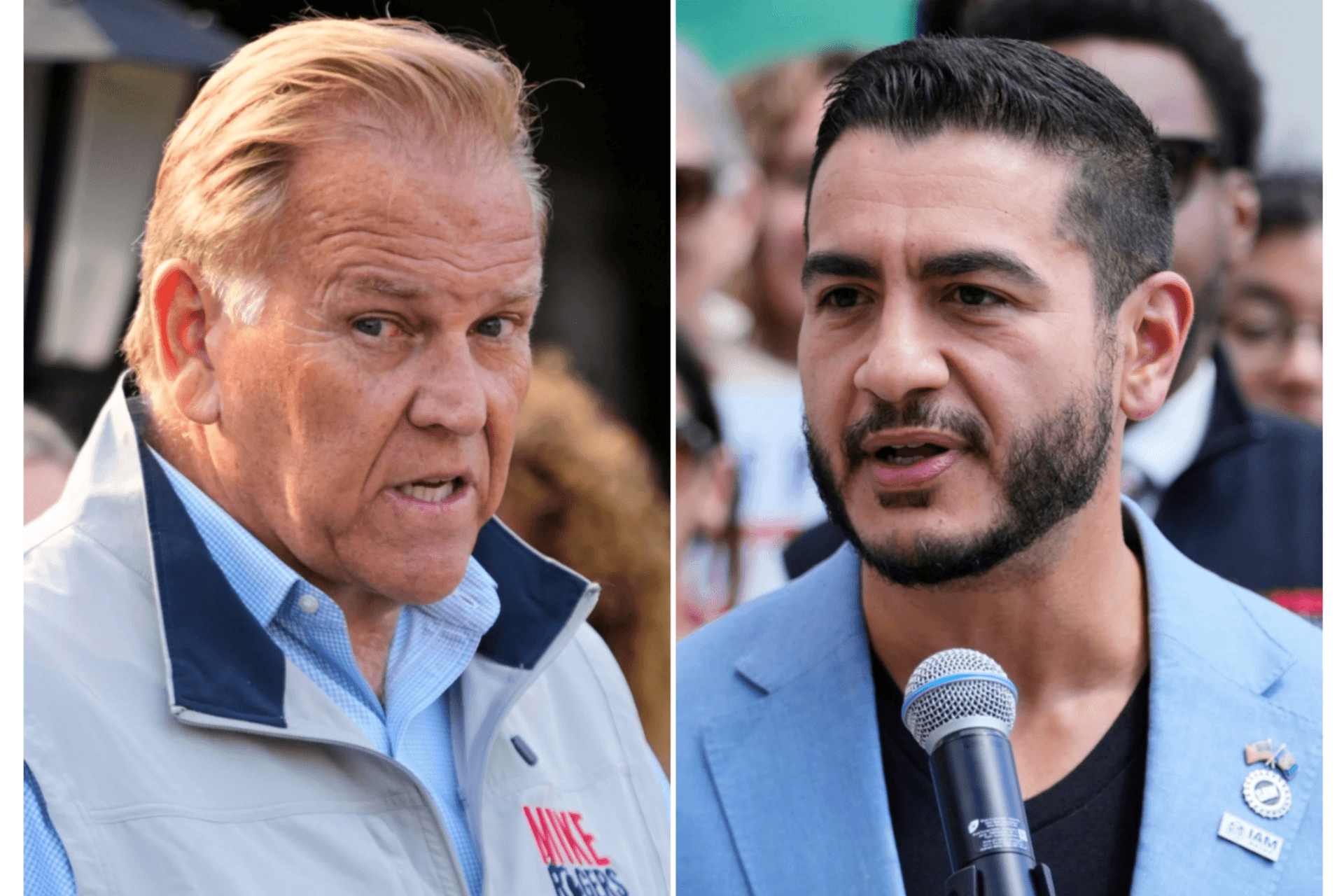
Michigan is the only 2024 swing state with a tossup Senate race, largely because Democrat Abdul El-Sayed’s perceived radicalism could put off some Democratic voters. However, he currently leads Republican Mike Rogers by 3.2 points in the RCP Average and has a 73% chance to win, according to Polymarket.
Alaska is similar to Ohio, despite being a generally red state. Incumbent Republican Sen. Dan Sullivan is being challenged by Democrat Mary Peltola, who won Alaska’s only House seat in 2022. Polling shows Peltola up by just 1.2 points, though betting markets rate her chances higher, at 73%.
Polling is also close in Minnesota, where Democratic Lt. Gov. Peggy Flanagan leads by just 1.6 points, even though Kamala Harris won the state by 4.2 points in 2024. Although polls show her lead within the margin of error, betting markets are much more skeptical of her opponent, Michele Tafoya, giving Tafoya only a 15% chance to win.
Nebraska could be a surprise upset. In the latest co/efficient poll, Republican Sen. Pete Ricketts led independent candidate Dan Osborn by 5 points. However, the two previous polls, from YouGov and SurveyUSA, had Osborn leading by 1 and 4 points, respectively. Betting markets still favor Ricketts, giving him a 74% chance to win.
Although all these races have favorites in the betting markets, there is still a significant chance that one or more of them flip. If the current betting market percentages reflect the candidates’ true odds, there is only a 33.5% chance that Michigan, Alaska, Minnesota, and Nebraska all go to their current favorites. There’s also about a 24% chance that the underdog wins in at least two of the four races.
This uncertainty is why Democrats have only a 65% chance of winning the Senate, despite leading in betting markets in six of the nine tossup states and in polling in seven of the nine, while only needing to win five to have a majority.
State of Union
.